How to Choose the Right Heavy Transformer for Your Needs?
Choosing the right Heavy Transformer can seem daunting. Industry expert Dr. Emily Carter once stated, "Selecting the right transformer is pivotal for efficiency and performance." This highlights the importance of making informed decisions.
Heavy Transformers are essential in various sectors, from power generation to manufacturing. They handle high voltage transformations, which require careful consideration. Factors such as capacity, voltage rating, and cooling methods are critical. Each requirement can vary based on specific needs or applications.
Understanding your unique requirements is key. For instance, consider the environment where the transformer will operate. A heavy-duty transformer must withstand harsh conditions while providing reliability. However, many overlook these factors, leading to costly mistakes. A thoughtfully chosen Heavy Transformer can enhance productivity and reduce risks. Reflecting on your choices will lead to better outcomes in the long run.
Understanding the Basics of Heavy Transformers
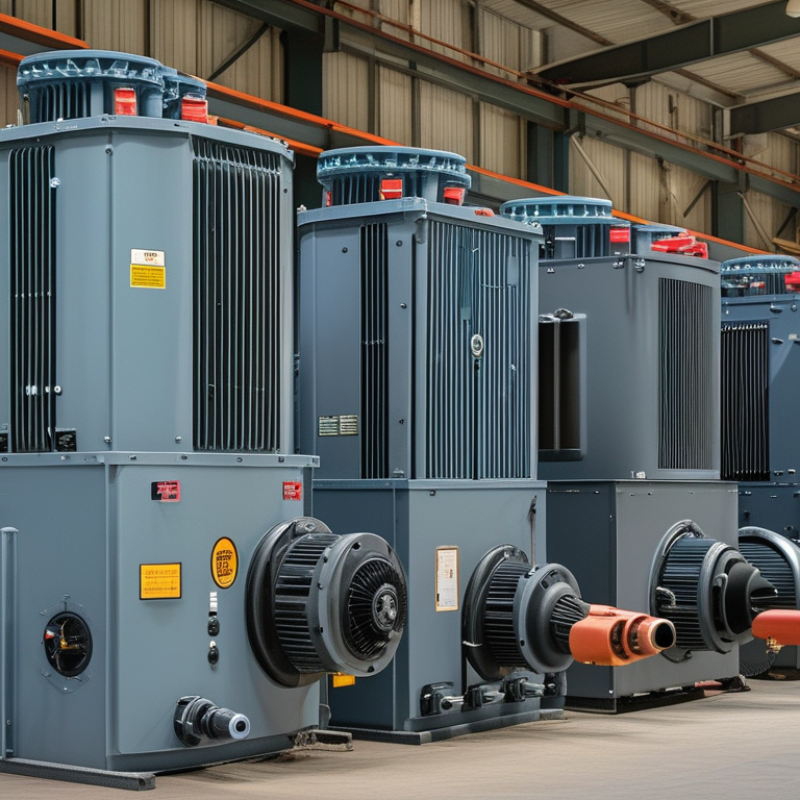
When choosing a heavy transformer, understanding its basics is crucial for meeting your specific needs. Heavy transformers typically convert voltage from one level to another, which is essential in many industrial applications. Their design involves a core made of electrical steel that supports efficient energy transfer. Every transformer has unique specifications. Knowing about ratings in kilovolt-amperes (kVA) or megavolt-amperes (MVA) can clarify its capacity.
Another critical aspect is the insulation class. The insulation type impacts the transformer's lifespan and performance. Proper insulation protects the transformer from overheating. However, not all heavy transformers offer the same insulation. Evaluating materials used can lead to informed choices.
Power factor and efficiency are also vital. These metrics indicate how effectively a transformer uses energy. An inefficient model can lead to increased operational costs. Users sometimes overlook these details. They may focus primarily on price or brand reputation. Understanding and considering the basics can prevent costly mistakes in the long run.
Assessing Your Power Requirements for Heavy Transformers
Choosing the right heavy transformer begins with a clear understanding of your power requirements. Start by calculating the total load that the transformer needs to support. This includes identifying the wattage of all equipment connected to it. You might overlook some devices, such as backup systems or future expansions. Each detail matters. Small errors in load estimation can lead to significant issues later.
Consider the voltage levels you require. Transformers operate at different voltage ratings, which dictate how they can be integrated into your system. Assessing whether your setup is high-voltage or low-voltage is critical. Additionally, think about the environment where the transformer will be placed. Outdoor transformers need to withstand weather changes, while indoor models require considerations for space.
It’s essential to reflect on your long-term needs. A common mistake is choosing a transformer solely based on current demands. Future expansions can create challenges, especially if the transformer cannot handle increased loads. Evaluate how your power needs may evolve. This foresight will guide you in selecting a transformer that remains reliable over time.
How to Choose the Right Heavy Transformer for Your Needs? - Assessing Your Power Requirements for Heavy Transformers
| Power Rating (kVA) |
Primary Voltage (kV) |
Secondary Voltage (kV) |
Weight (kg) |
Installation Type |
Cooling Method |
| 500 |
11 |
0.4 |
1500 |
Indoor |
Oil-Immersed |
| 1000 |
22 |
0.4 |
2500 |
Outdoor |
Air-Cooled |
| 1500 |
33 |
0.4 |
3500 |
Indoor |
Oil-Immersed |
| 2000 |
11 |
0.4 |
4500 |
Outdoor |
Air-Cooled |
| 3000 |
22 |
0.4 |
6000 |
Indoor |
Oil-Immersed |
Evaluating Transformer Types and Their Applications
When selecting a heavy transformer, understanding the types and their applications is crucial. Each transformer type serves a specific purpose, and knowing these can significantly impact efficiency. For instance, oil-filled transformers are often used in high-voltage applications due to their cooling properties. Meanwhile, dry-type transformers are better suited for indoor use, providing safety and reduced maintenance.
It's essential to consider the transformer's environmental conditions. Some transformers work well in extreme temperatures, while others might fail. Additionally, the voltage rating matters greatly; it should match your electrical system's requirements. Miscalculating this can lead to performance issues or even equipment damage.
Also, reflect on the capacity you truly need. Overestimating can lead to wastage and excess costs. Underestimating, however, poses risks to your operations. Both scenarios demand careful evaluation. By reviewing the specific application and operational demands, you can make a more informed choice.
Seeking expert advice can clarify any uncertainties and guide you to a reliable decision.
Key Features to Consider When Choosing a Heavy Transformer
When selecting a heavy transformer, several essential features need careful consideration. The power rating is crucial. This indicates the transformer's capacity to handle electrical loads. Always verify the demand in your application. If the transformer is undersized, it may lead to overheating or failure. Trusting the right specifications is imperative for optimal performance.
Another aspect is the cooling method. Heavy transformers may use air or oil cooling. Oil-cooled transformers generally handle larger loads better, but they come with added complexity and maintenance requirements. Air-cooled options are simpler and more environmentally friendly. Yet, they may not perform well in high-load scenarios. Understanding your operational environment can guide you in making the right choice.
Physical dimensions also matter. Heavy transformers can be quite large and must fit within your installation area. Consider future expansions, as space is often a constraint. Furthermore, examine how the transformer will connect to existing electrical systems. Improper connections can lead to energy losses. Keeping these factors in mind ensures a well-informed decision.
Best Practices for Installation and Maintenance of Heavy Transformers
When installing heavy transformers, proper practices can significantly enhance longevity and performance. According to the Institute of Electrical and Electronics Engineers (IEEE), incorrect installation can lead to premature failures, impacting operational efficiency. Ensuring a solid foundation is crucial. The transformer should rest on a level, firm surface to minimize vibrations and strain.
Regular maintenance is equally important. The American National Standards Institute (ANSI) recommends annual inspections to detect issues early. Monitoring temperature, moisture levels, and noise can reveal underlying problems. Neglecting these checks may result in costly repairs or replacements.
Tip: Keep detailed records of all maintenance activities. This will help identify recurring issues and guide future actions.
Installation often requires careful planning of the environment. Ensure the area is well-ventilated to dissipate heat effectively. Enclosures should be weatherproof if placed outdoors. It's often overlooked, but transformers need room to expand and contract with temperature changes.
Tip: Use thermal imaging during inspections to identify hotspots. This technique can reveal potential failures before they escalate. Investing in these practices can lead to a more reliable power supply and reduce operational disruptions.