How to Choose the Best Toroidal Transformer Amplifier?
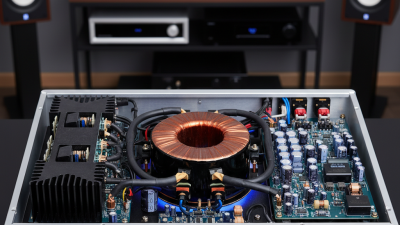
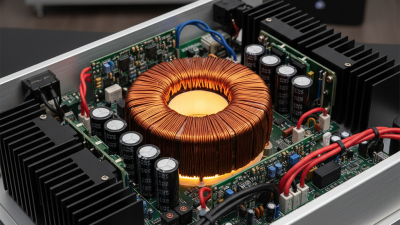
Choosing the right Toroidal Transformer Amplifier can significantly impact your audio experience. The unique design of toroidal transformers allows for efficient energy transfer and low electromagnetic interference. This makes them a popular choice among audiophiles and professionals alike. However, navigating the various options available can be overwhelming.
When selecting a Toroidal Transformer Amplifier, consider factors like power rating, frequency response, and load compatibility. Different amplifiers deliver distinct sound characteristics. Reading reviews and consulting experts can provide valuable insights into their performance. It’s essential to weigh the pros and cons carefully.
Though many amplifiers boast high quality, not all meet every user's needs. Personal preferences and room acoustics play a critical role. Investing time in research can ensure you make an informed choice. Remember, the best amplifier for someone else may not be the best for you. Taking the time to reflect on your unique requirements can lead to a more satisfying audio experience.
Understanding Toroidal Transformers and Their Functionality
Understanding toroidal transformers is essential for selecting the right amplifier. These transformers have a distinct shape, resembling doughnuts, which provides benefits in audio applications. Their design allows for lower electromagnetic interference and improved efficiency. With a lower profile, they fit easily into various audio equipment, making them preferable for many users.
When evaluating toroidal transformers, consider their power rating and impedance. A higher power rating indicates better performance under load. Be aware of the impedance, as it affects compatibility with your audio setup. Look for transformers with a robust build and good thermal management; this can enhance reliability and longevity.
Tips: Checking user reviews can provide insights into the real-world performance of a transformer. Don't rush your choice. Take time to compare specifications, as minor differences can significantly affect sound quality. Testing different models, if possible, is a great way to pinpoint the best fit for your needs. Remember, investing in quality components can lead to a more enjoyable listening experience.
How to Choose the Best Toroidal Transformer Amplifier? - Understanding Toroidal Transformers and Their Functionality
| Parameter |
Description |
Importance |
| Power Rating |
The maximum power output of the transformer, measured in watts (W). |
High importance for ensuring adequate power supply to the amplifier. |
| Efficiency |
The ratio of output power to input power, often expressed as a percentage. |
Crucial for reducing energy losses and heat generation. |
| Size and Weight |
Physical dimensions and weight of the transformer. |
Affects the portability and ease of installation of the amplifier. |
| Core Material |
Type of material used for the transformer's core, influencing performance. |
Key factor for sound quality and signal clarity. |
| Winding Configuration |
Arrangement of the winding paths in the transformer. |
Impacts impedance and frequency response. |
| Noise Level |
The amount of electrical noise generated during operation. |
Important for maintaining audio clarity. |
| Temperature Stability |
The transformer's ability to operate without overheating. |
Crucial for longevity and consistent performance. |
Key Characteristics of Amplifiers Using Toroidal Transformers
Choosing an amplifier that utilizes a toroidal transformer involves understanding its key characteristics. Toroidal transformers are known for their efficiency. They produce less noise and minimize electromagnetic interference. This can lead to a cleaner sound, which is essential for audiophiles. Look for amplifiers that highlight these features.
The size of the transformer matters. A larger toroidal transformer may provide more power and stability. However, it can also increase the weight and cost. Balancing size and performance is crucial. Some will find that a compact amplifier meets their needs. Others may seek out higher wattage.
Pay attention to customer reviews. Users often share insights on sound quality and durability. Learning from their experiences can guide your choice. Some amplifiers may have inconsistent performance. Research can aid in uncovering potential issues. Ultimately, selecting a toroidal transformer amplifier requires careful consideration and reflection on your unique audio needs.
Factors to Consider When Selecting a Toroidal Transformer Amplifier
Choosing a toroidal transformer amplifier requires careful consideration of several factors. One important aspect is the power rating. You should assess the total wattage your system needs. This helps prevent overload and ensures efficient operation. A transformer that is too small may struggle, while one that is excessively large can be wasteful.
Another factor to examine is the core material. Toroidal transformers often use silicon steel or ferrite cores. Each has its benefits. Silicon steel offers higher permeability, while ferrite might be lighter. The choice depends on your specific application. Noise levels are also crucial. Some designs minimize electromagnetic interference, which can improve sound quality.
Additionally, ensure the amplifier has appropriate voltage ratings. Mismatched voltages can lead to performance issues. Look for robust wiring and durable construction for longevity. Consider reviews and feedback from others to gauge reliability. Even with careful selection, real-world testing is vital. Your choice may not perform as expected. Adjustments might be necessary to optimize performance. Always be prepared to refine your setup based on practical experiences.
Comparing Different Brands and Models of Toroidal Amplifiers
When selecting a toroidal transformer amplifier, it’s essential to compare various brands and models. Each brand offers unique features and specifications that can significantly impact performance. Some amplifiers prioritize sound clarity, while others focus on power efficiency. Understanding these differences is crucial for making an informed choice.
Look closely at the power rating and efficiency. Some models may produce a warm sound, which is preferred by certain audiophiles. Others might deliver a more analytical sound profile. It's important to identify your preferences before making a decision. Pay attention to user reviews and expert opinions; they often highlight positives and negatives that you might overlook.
A well-regarded model may not be the best fit for your needs. Every user has distinct requirements. It’s wise to consider factors like room size and speaker compatibility. This ensures that the amplifier complements your existing setup. Take your time comparing features. Finding the right balance between quality and price can be challenging. Consider testing a few models before committing.
Tips for Installation and Maintenance of Toroidal Transformer Amplifiers
When installing a toroidal transformer amplifier, location matters. Choose a well-ventilated space. Avoid crowded areas to reduce overheating. It’s essential to maintain clear space around the unit. Heat can negatively affect performance and lifespan. Understanding weight distribution is crucial. Mount it securely to prevent vibrations that can cause noise.
Regular maintenance increases efficiency. Clean dust accumulation regularly. Dust can hinder cooling and impair sound quality. Check connections often for dust or oxidation. Loose connections can lead to hum or loss of sound. If the amplifier shows signs of distortion, inspect the transformer. It could indicate a deeper issue that requires professional attention.
Listening habits can impact amplifier performance. Try not to run at maximum volume for extended periods. This can stress the transformer and shorten its lifespan. Occasionally, reflect on your usage and adjust settings accordingly. Balancing quality and power is key. Each listening environment is unique. Be prepared to tweak your setup for optimal sound.